The Impact of Artificial Intelligence on Modern Society
Artificial Intelligence (AI) has rapidly evolved from a niche academic pursuit into a transformative force that touches nearly every aspect of modern life. From the algorithms that curate our social media feeds to the diagnostic tools used in hospitals, AI is reshaping how we work, communicate, and make decisions. While the technology promises unprecedented efficiency and innovation, it also raises profound questions about ethics, employment, and human identity. This article explores the multifaceted impact of AI on contemporary society, highlighting both its immense potential and the challenges that demand our attention.
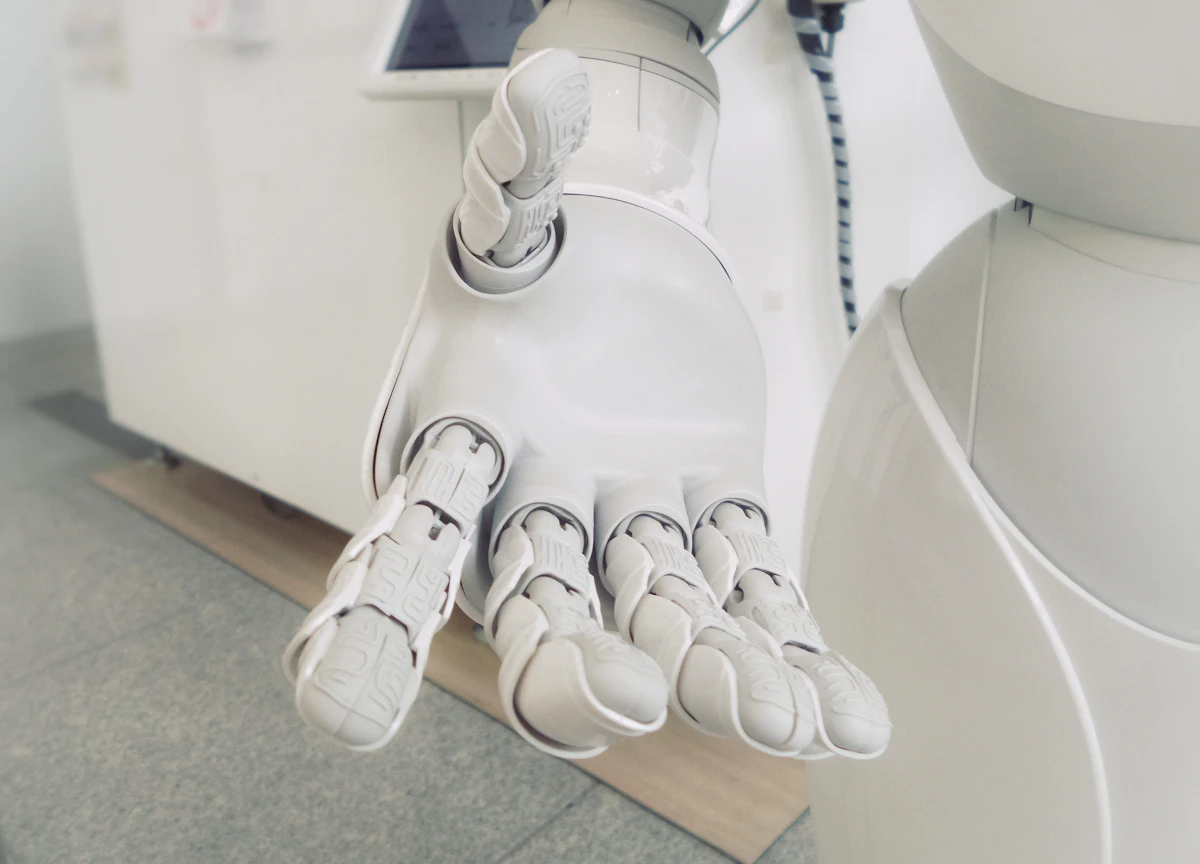
AI is no longer science fiction—it is embedded in our daily lives.
What Exactly Is Artificial Intelligence?
At its core, AI refers to the simulation of human intelligence processes by computer systems. These processes include learning (the acquisition of information and rules for using it), reasoning (using rules to reach approximate or definite conclusions), and self-correction. Modern AI is predominantly powered by machine learning, a subset of AI that enables systems to learn from data without being explicitly programmed. Deep learning, a further specialization, uses artificial neural networks with many layers to analyze complex patterns—this is the technology behind voice assistants, facial recognition, and autonomous vehicles.
While narrow AI (designed for specific tasks) is already ubiquitous, the quest for Artificial General Intelligence (AGI)—a system with human-like cognitive abilities across a wide range of tasks—remains a long-term goal and a subject of intense debate.
AI Across Key Sectors
The influence of AI is felt most acutely in several critical domains:
- Healthcare: AI algorithms can analyze medical images (X-rays, MRIs) with accuracy rivaling human radiologists, predict disease outbreaks, and accelerate drug discovery. Personalized treatment plans based on genetic data are becoming a reality.
- Business and Economy: From chatbots handling customer service to predictive analytics optimizing supply chains, AI drives efficiency and enables data-driven decision-making. It is also fostering new business models and entire industries.
- Education: Adaptive learning platforms tailor lessons to individual student needs, while AI tutors provide personalized support. Automated grading frees educators to focus on mentoring.
- Transportation: Self-driving cars, traffic optimization, and predictive maintenance for public transit are all powered by AI, promising safer and more efficient mobility.

AI is revolutionizing diagnostics and patient care in healthcare.
Ethical and Societal Challenges
Alongside its benefits, AI presents significant ethical dilemmas. Job displacement is a major concern: as automation advances, roles involving routine tasks—from manufacturing to administrative work—are at risk. While new jobs will be created, the transition may be painful for many workers without retraining opportunities.
Bias and fairness are equally critical. AI systems learn from historical data, which often contains human biases. If not carefully managed, AI can perpetuate or even amplify discrimination in areas like hiring, lending, and law enforcement. Privacy is another battleground, as AI-powered surveillance and data collection become more pervasive.
Furthermore, the development of autonomous weapons and the potential for AI to be used for malicious purposes—such as generating deepfakes or orchestrating cyberattacks—pose serious threats to global security and democratic processes.
A concise introduction to AI and its implications.
The Road Ahead: Regulation and Responsible AI
Recognizing both the promise and the peril, governments, tech companies, and civil society are increasingly calling for robust AI governance. The European Union's AI Act is one of the first comprehensive attempts to regulate AI based on risk levels. Other nations are drafting similar frameworks. The key is to foster innovation while safeguarding fundamental rights.
Responsible AI development requires transparency (explainable AI), accountability (clear lines of responsibility), and inclusivity (ensuring diverse perspectives in design). Public education and digital literacy are also essential so that citizens can engage critically with AI-driven systems.
Conclusion
Artificial Intelligence is not a distant future—it is here, and it is reshaping our world at an accelerating pace. Its potential to solve complex problems in health, climate, and education is immense. Yet, without careful stewardship, it could deepen inequalities and erode trust. The path forward lies in a balanced approach: embracing AI's benefits while proactively addressing its risks. As we stand at this crossroads, the choices we make today will determine whether AI becomes a tool for broad human flourishing or a source of division and control.
Further Reading: For a deeper dive, consider "Artificial Intelligence: A Modern Approach" by Russell & Norvig, and reports from the AI Now Institute and the Future of Humanity Institute.


Aucun commentaire:
Enregistrer un commentaire